Mones
Sorry, this article is only in Czech.
Sorry, this article is only in Czech.


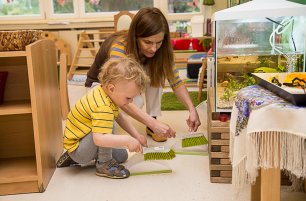
Looking at our Toddler classrooms, even a casual observer will notice that half of the children’s time seems to be spent cleaning. They’re busy sweeping, wiping, mopping, scrubbing and brushing; even almost antiquated activities, such as washing laundry by hand or polishing wood and metal objects, have their place.
Read more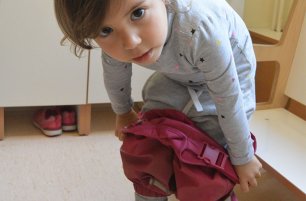
Patience and a positive attitude are key when helping children with dressing and undressing. This means staying engaged with your child, maintaining eye contact, but also being patient as they process the information and movements.
Read more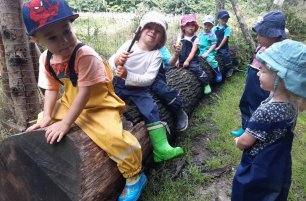
At IMSP we are fortunate enough to have access to a forest right on our doorstep. This offers invaluable opportunities for our toddlers to explore the natural world with the support of their guides. Interaction with the natural environment provides mental and physical health benefits for children and adults alike and allows children to be inspired by the world around them, away from their usual home or classroom environments.
Read more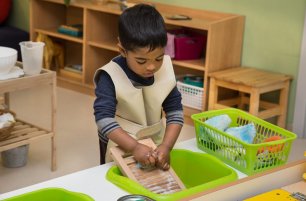
“The first thing to realize about these exercises of practical life is that their aim is not a practical one. Emphasis should be laid not on the word “practical” but on the word life. Their aim is to assist development.” E. M. Standing, Maria Montessori: Her Life and Work
Read more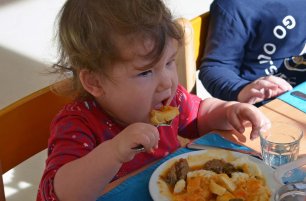
Who doesn’t love a dinner date? There is something so universally appealing about sharing a meal with your loved one: eating delicious foods whilst engaging in conversation and enjoying each other’s company.
Read more