Mones
Sorry, this article is only in Czech.
Sorry, this article is only in Czech.


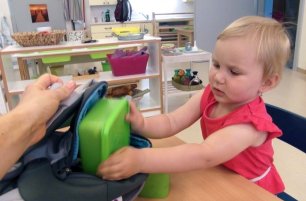
Summer is the perfect time for trips and outings. A backpack of their very own is a great gift for an older toddler or a pre-schooler: It builds their independence and confidence as they actively participate in preparing for each trip, and then carry their necessities by themselves.
Read more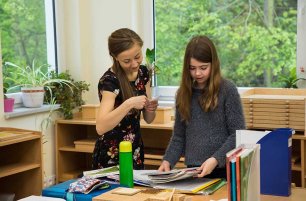
The fundamental aim of Montessori education is to help children become fully-fledged citizens of the world. How do we achieve something so monumental?
Read more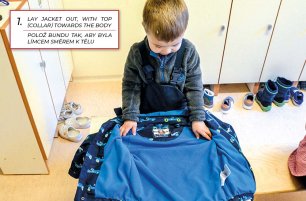
Toddlers are at a very sensitive age for physical independence. It is natural to want to take care of them, yet sometimes giving the freedom and space to do things by themselves is a gift that not only makes them happy, but also support their overall development, confidence and sense of self.
Read more
What is a motto that you live by? When I was young, my dad often reminded me: “Always do your best.” In the same way, what I often try to keep in mind is "Do what you can, where you are, with what you have."
Read more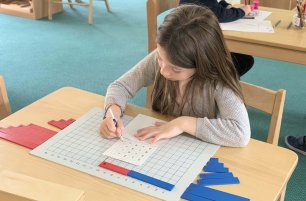
Maria Montessori often stated that not only does every human being have an innate drive to understand the environment around them, we all also naturally have what she called a “Mathematical Mind”. In the Montessori classroom, mathematical learning begins through indirect preparation long before a child is ever introduced to any Math materials.
Read more