Mones
Sorry, this article is only in Czech.
Sorry, this article is only in Czech.


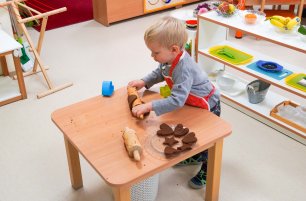
It's beginning to look a lot like winter - with first frosts and early dark, but also bright twinkling lights and seasonal decorations wherever you look. Is it any wonder that we populate the long, cold nights of December with candle light, evergreens and the smells of a myriad festive treats? So many delicious flavours belong firmly at the close of the year - hot chocolate and sweet tea, spiced pies, delicate cookies and savoury roasts, all keeping us cozy and warm as well as full.
Read more
A picture is the first content of a book that a child can „read“. Thanks to pictures, a child can understand a story without knowing how to read, interpreting the main figures/animals, the environment, and the situations from the visuals. From illustrated facial expressions and body language the child can also tell emotions. Enjoying a good book raises a love and passion that is necessary for prereading skills.
Read more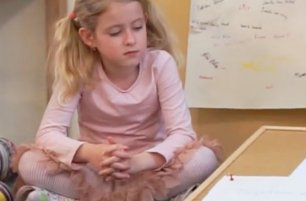
How do we encourage peacefulness and respect in the Montessori classroom? Together with the children, we prepare a blueprint for our classroom community!
Read more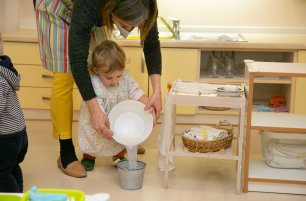
As teachers, we are often asked what special tips or tricks we use to get children to cooperate. Most often parents ask questions like “How can I get my child more interested in dressing and eating by themselves?”or “How can we make the mornings run more smoothly?” It can feel challenging when our patience is tested, but we must remember that children are learning to develop their own will and sense of obedience which is a natural process lasting until around six years of age.
Read more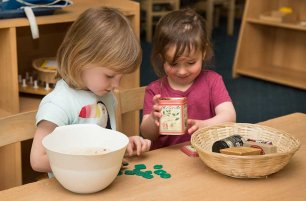
Have you ever noticed the mixed-age classrooms in a Montessori school and wondered why? This is a specific design that allows younger children to benefit from having older peers as role models and mentors and enables older children to step into leadership roles. This model mirrors real-world experiences where people of different ages work together and learn from each other.
Read more