Mones
Sorry, this article is only in Czech.
Sorry, this article is only in Czech.


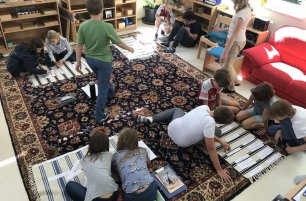
The Montessori Elementary classroom is a dynamic system led by carefully trained teachers to enhance the learning of the 6 to 12-year-old student by aligning with their stage of development.
Read more
What is a motto that you live by? When I was young, my dad often reminded me: “Always do your best.” In the same way, what I often try to keep in mind is "Do what you can, where you are, with what you have."
Read more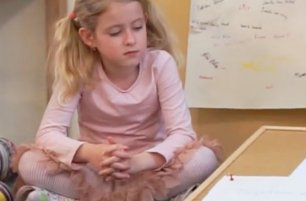
How do we encourage peacefulness and respect in the Montessori classroom? Together with the children, we prepare a blueprint for our classroom community!
Read more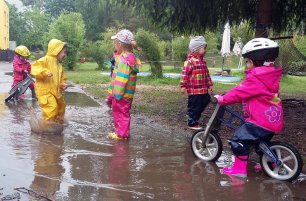
April showers bring May flowers... here we are in the blustery, chilly beginnings of Spring. It is a time of much anticipation as the first leaves and flowers appear, but also often much frustration for parents as seemingly endless mud, rain and puddles interfere with outside play.
Read more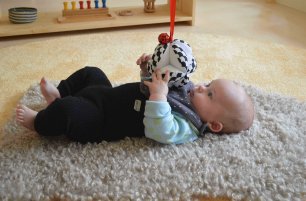
“The greatness of the human personality begins at the hour of birth.” Maria Montessori
Read more