Mones
Sorry, this article is only in Czech.
Sorry, this article is only in Czech.


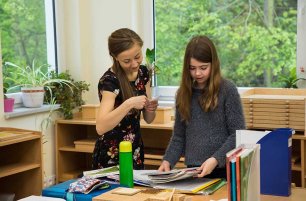
The fundamental aim of Montessori education is to help children become fully-fledged citizens of the world. How do we achieve something so monumental?
Read more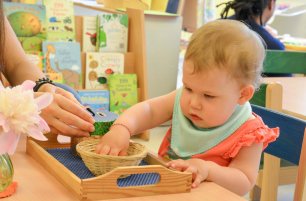
We are pleased to introduce Evangelia and her daughter, Aria who started with IMSP after attending our Toddler & Me course. How did they like it, what have they learned, and what benefit does it bring to their daily life?
Read more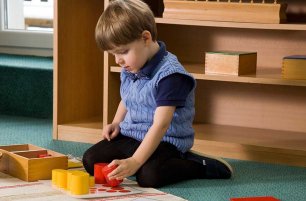
The materials in the Sensorial area of the Montessori classroom are quite unique – they speak to the tactile observer in all of us. When you consider the way humans take in information, you realize how often we use more than one sense to explore. Maria Montessori’s work in the Sensorial environment was designed to take advantage of this tendency. Today, I will discuss the materials featured in the Children’s House classroom (ages 3-6).
Read more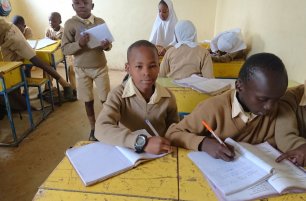
We "made a trip" to Africa to ask our adopted schoolmate Abdul how he is doing.
Read more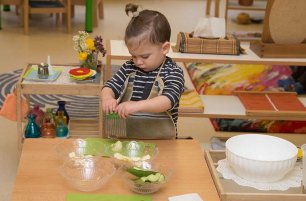
One of the key concepts and skills that Montessori education develops in different ways and from different perspectives through the entire childhood and through the entire educational process is independance.
Read more