Mones
Sorry, this article is only in Czech.
Sorry, this article is only in Czech.


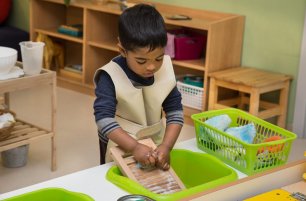
“The first thing to realize about these exercises of practical life is that their aim is not a practical one. Emphasis should be laid not on the word “practical” but on the word life. Their aim is to assist development.” E. M. Standing, Maria Montessori: Her Life and Work
Read more
It’s our pleasure to introduce you to this week’s guest on the IMSP podcast series: Diana Peštová. Born and raised in the Czech Republic, Diana now studies language and culture at the University of Amsterdam. Diana catches up with our host, Mariana, as she reflects on how IMSP helped her to think outside of the box. Passionate about writing, singing, and acting, Diana shares how Montessori education allowed her to explore her interests at her own pace.
Read more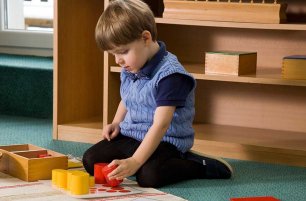
The materials in the Sensorial area of the Montessori classroom are quite unique – they speak to the tactile observer in all of us. When you consider the way humans take in information, you realize how often we use more than one sense to explore. Maria Montessori’s work in the Sensorial environment was designed to take advantage of this tendency. Today, I will discuss the materials featured in the Children’s House classroom (ages 3-6).
Read more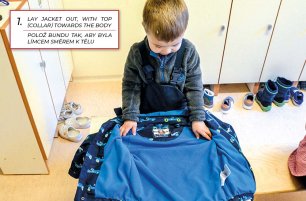
Toddlers are at a very sensitive age for physical independence. It is natural to want to take care of them, yet sometimes giving the freedom and space to do things by themselves is a gift that not only makes them happy, but also support their overall development, confidence and sense of self.
Read more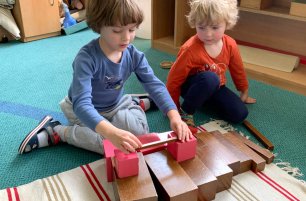
Have you ever noticed that your child enjoys singing the same song over and over again, or wants you to repeat the same story for what feels like a million times? Dr. Montessori highlighted the importance of sensitive periods in children, which are known as windows of opportunities for children to develop skills, including movement, language and most definitely, order. A child’s need for external order is present as early as childbirth and peaks in their second year, before fading at about the age of 5. This period of development helps a child to develop a connection between themselves and the world, process information and overcome challenges.
Read more