Mones
Sorry, this article is only in Czech.
Sorry, this article is only in Czech.


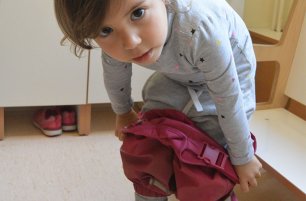
Patience and a positive attitude are key when helping children with dressing and undressing. This means staying engaged with your child, maintaining eye contact, but also being patient as they process the information and movements.
Read more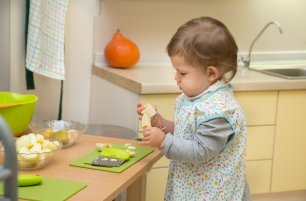
It is often said that “the family that eats together, stays together”. We would like to suggest taking it a step further – and encourage every family to cook together, too. In Montessori, we know that kitchen work provides a host of benefits to children, all the way from toddlers to adolescents; it is a part of the Practical Life curriculum as soon as children can walk! However, its advantages are in no way tied to the classroom and can be just as easily – if not more so – applied at home.
Read more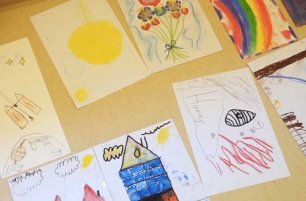
This spring, as part of our Values curriculum and Art Program, we invited TEDx speakers Garret Garrels and Tim Holmes to lead a workshop at IMSP for our Elementary classes.
Read more
If you’re interested in kids activities or events happening in Prague during the coming weekend or through the year, check out the website of our partner - www.littlepanda.cz.
Read more