Mones
Sorry, this article is only in Czech.
Sorry, this article is only in Czech.


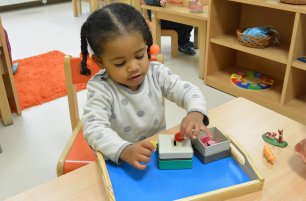
Every morning, with any luck, a very enthusiastic and volume‑charged toddler and I make the 45 min…
Read more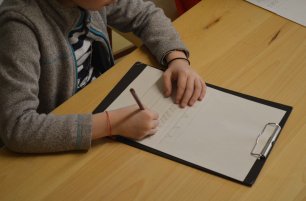
It can be an exciting time when your child begins to read and write their first words. They are at the dawn of an exhilarating literacy journey that will open their eyes to a world of books, knowledge, and wonder!
Read more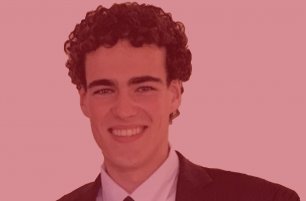
Introducing our first guest on the IMSP podcast series: Caleb Miller. After graduating from IMSP, he moved back to the United States, finishing his university degree. Caleb and our host, Mariana, chat about independence in childhood, the benefits of multi-age classrooms, and what advice he has for current IMSP Elementary students. While reflecting on his time at IMSP, Caleb looks towards the future as he pursues a career with a global focus. “That's one thing that Montessori, our school, planted in me,” Caleb tells us, “the desire to engage with the world”.
Read more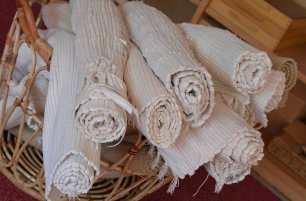
There are a few things typical to Montessori classrooms worldwide that might give the casual observer a pause. Picture it: you walk into a beautiful Casa environment, full of children working, many of them on mats rolled out on the floor. The students moving through the room know to step between mats, never on them. Of course, in the beginning of the school year it took many presentations, repetitions and reminders to instill this routine in the students.
Read more
Please welcome this week’s guest to the IMSP podcast – Krishna Ramani!
Read more