Mones
Sorry, this article is only in Czech.
Sorry, this article is only in Czech.


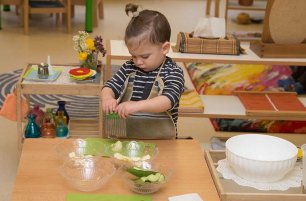
One of the key concepts and skills that Montessori education develops in different ways and from different perspectives through the entire childhood and through the entire educational process is independance.
Read more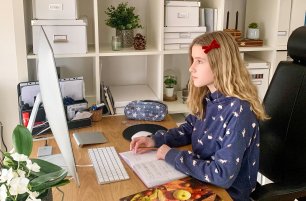
We have all had our fair share of complaining about the situation we have found ourselves in since last Spring, but in this article, I wanted to concentrate on the positives this has brought to us.
Read more
Introducing our first guest on the IMSP podcast series: Caleb Miller. After graduating from IMSP, he moved back to the United States, finishing his university degree. Caleb and our host, Mariana, chat about independence in childhood, the benefits of multi-age classrooms, and what advice he has for current IMSP Elementary students. While reflecting on his time at IMSP, Caleb looks towards the future as he pursues a career with a global focus. “That's one thing that Montessori, our school, planted in me,” Caleb tells us, “the desire to engage with the world”.
Read more
We all know the scene: a frustrated parent, a child that refuses to listen and do as they’re told, the fight that no‑one wins.
Read more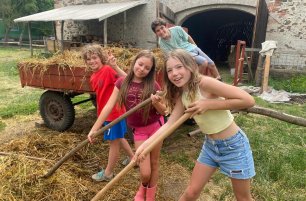
An Essential Element of the Elementary Montessori Student Experience
Read more