Mones
Sorry, this article is only in Czech.
Sorry, this article is only in Czech.


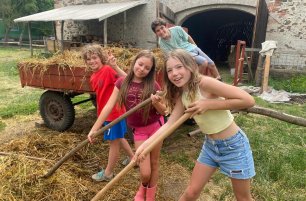
An Essential Element of the Elementary Montessori Student Experience
Read more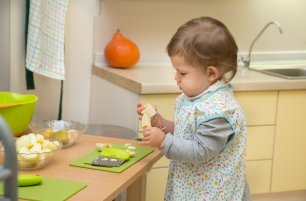
It is often said that “the family that eats together, stays together”. We would like to suggest taking it a step further – and encourage every family to cook together, too. In Montessori, we know that kitchen work provides a host of benefits to children, all the way from toddlers to adolescents; it is a part of the Practical Life curriculum as soon as children can walk! However, its advantages are in no way tied to the classroom and can be just as easily – if not more so – applied at home.
Read more
What is a motto that you live by? When I was young, my dad often reminded me: “Always do your best.” In the same way, what I often try to keep in mind is "Do what you can, where you are, with what you have."
Read more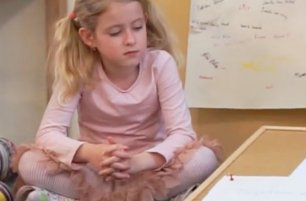
How do we encourage peacefulness and respect in the Montessori classroom? Together with the children, we prepare a blueprint for our classroom community!
Read more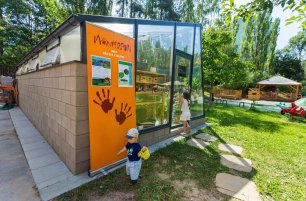
We are thrilled to announce that IMSP has officially joined the Roots & Shoots program in Czechia! This exciting collaboration, led by our dedicated team member, Irena Andělová, marks a significant new chapter in our school’s commitment to nurturing confident, compassionate, and engaged global citizens.
Read more