Mones
Sorry, this article is only in Czech.
Sorry, this article is only in Czech.



“I wanted to secure the best possible education for my children”
Read more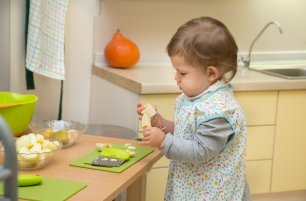
It is often said that “the family that eats together, stays together”. We would like to suggest taking it a step further – and encourage every family to cook together, too. In Montessori, we know that kitchen work provides a host of benefits to children, all the way from toddlers to adolescents; it is a part of the Practical Life curriculum as soon as children can walk! However, its advantages are in no way tied to the classroom and can be just as easily – if not more so – applied at home.
Read more
“The thing that IMSP really contributed the most to me would be developing my curiosity. Just, letting me as a kid explore my own world in my own way,“
Read more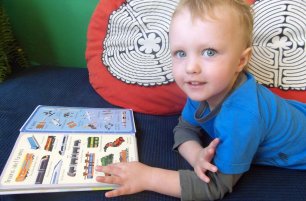
A picture is the first content of a book that a child can „read“. Thanks to pictures, a child can understand a story without knowing how to read, interpreting the main figures/animals, the environment, and the situations from the visuals. From illustrated facial expressions and body language the child can also tell emotions. Enjoying a good book raises a love and passion that is necessary for prereading skills.
Read more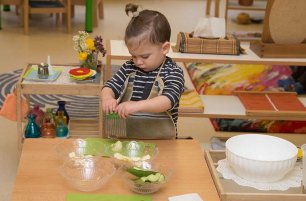
One of the key concepts and skills that Montessori education develops in different ways and from different perspectives through the entire childhood and through the entire educational process is independance.
Read more