Mones
Sorry, this article is only in Czech.
Sorry, this article is only in Czech.


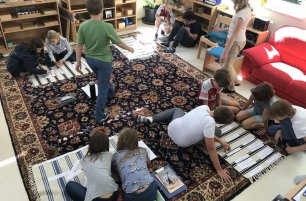
The Montessori Elementary classroom is a dynamic system led by carefully trained teachers to enhance the learning of the 6 to 12-year-old student by aligning with their stage of development.
Read more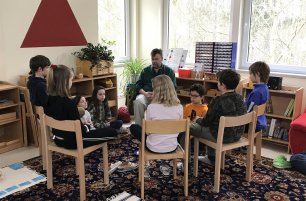
If you visit the Upper Elementary at IMSP on any school day in the late morning, you would hear a gentle bell ring at around 11:20. The students clean-up, and by 11:30, they gather on the classroom carpet and light a candle. A teacher sets a timer. At the sound of a bell, they begin their 5-minute awareness/mindfulness practice.
Read more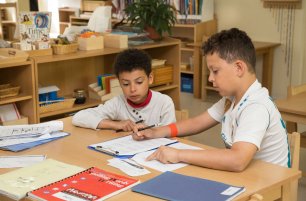
It is no surprise to hear parents expressing doubts about a multi-age classroom, and questioning how children of different ages could work together harmoniously in the same environment, and if there are any benefits to this approach.
Read more
“Social and emotional learning(SEL) is the process through which children and adults understand and manage emotions, set and achieve positive goals, feel and show empathy for others, establish and maintain positive relationships, and make responsible decisions.”
Read more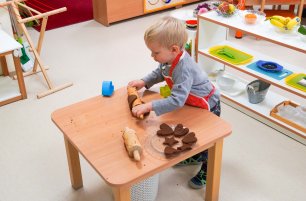
It's beginning to look a lot like winter - with first frosts and early dark, but also bright twinkling lights and seasonal decorations wherever you look. Is it any wonder that we populate the long, cold nights of December with candle light, evergreens and the smells of a myriad festive treats? So many delicious flavours belong firmly at the close of the year - hot chocolate and sweet tea, spiced pies, delicate cookies and savoury roasts, all keeping us cozy and warm as well as full.
Read more