Mones
Sorry, this article is only in Czech.
Sorry, this article is only in Czech.



We all know the scene: a frustrated parent, a child that refuses to listen and do as they’re told, the fight that no‑one wins.
Read more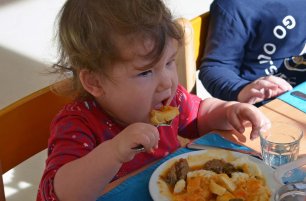
Who doesn’t love a dinner date? There is something so universally appealing about sharing a meal with your loved one: eating delicious foods whilst engaging in conversation and enjoying each other’s company.
Read more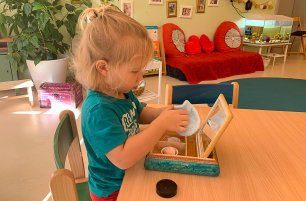
In Montessori education, we often speak about independence. Helping raise children into confident adults is a priority for all of us – but why is independence so important and how do we nurture it in even our youngest learners?
Read more
"I would really encourage you to enjoy the time you have at IMSP because it is something I look back fondly to."
Read more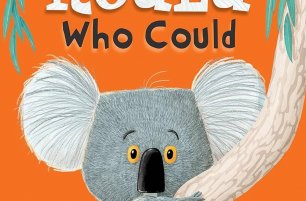
I’m back again with more book recs! As an educator, I often turn to books to help answer difficult questions or to start a conversation about a challenging situation.
Read more