Mones
Sorry, this article is only in Czech.
Sorry, this article is only in Czech.


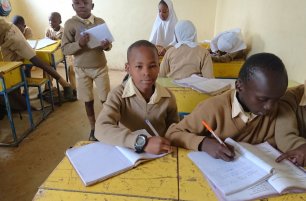
We "made a trip" to Africa to ask our adopted schoolmate Abdul how he is doing.
Read more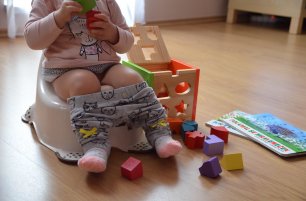
How to handle toilet training? It’s often considered one of the first big parenting “tasks,” and can bring a lot of anxiety and frustration. But it doesn’t have to! In Montessori Infant and Toddler classrooms, we use a time-tested and practical approach to toilet training that is (dare I say it) easy on both parents and children.
Read more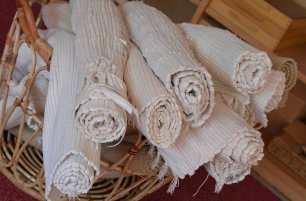
There are a few things typical to Montessori classrooms worldwide that might give the casual observer a pause. Picture it: you walk into a beautiful Casa environment, full of children working, many of them on mats rolled out on the floor. The students moving through the room know to step between mats, never on them. Of course, in the beginning of the school year it took many presentations, repetitions and reminders to instill this routine in the students.
Read more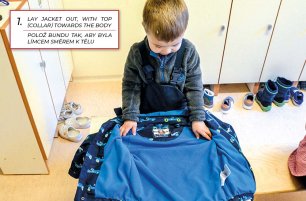
Toddlers are at a very sensitive age for physical independence. It is natural to want to take care of them, yet sometimes giving the freedom and space to do things by themselves is a gift that not only makes them happy, but also support their overall development, confidence and sense of self.
Read more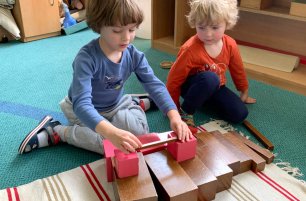
Have you ever noticed that your child enjoys singing the same song over and over again, or wants you to repeat the same story for what feels like a million times? Dr. Montessori highlighted the importance of sensitive periods in children, which are known as windows of opportunities for children to develop skills, including movement, language and most definitely, order. A child’s need for external order is present as early as childbirth and peaks in their second year, before fading at about the age of 5. This period of development helps a child to develop a connection between themselves and the world, process information and overcome challenges.
Read more