Mones
Sorry, this article is only in Czech.
Sorry, this article is only in Czech.


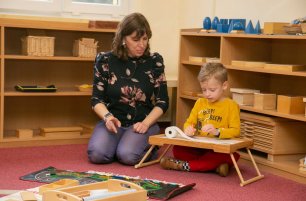
As a child, did you want to become a teacher, or anticipated becoming one?
Read more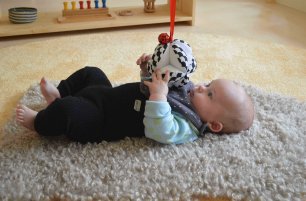
“The greatness of the human personality begins at the hour of birth.” Maria Montessori
Read more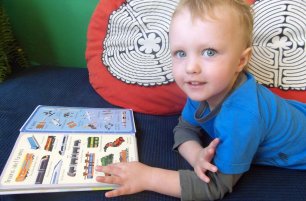
A picture is the first content of a book that a child can „read“. Thanks to pictures, a child can understand a story without knowing how to read, interpreting the main figures/animals, the environment, and the situations from the visuals. From illustrated facial expressions and body language the child can also tell emotions. Enjoying a good book raises a love and passion that is necessary for prereading skills.
Read more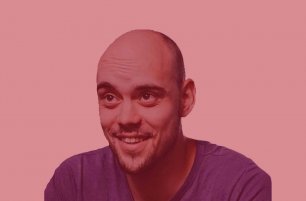
Join us as our host, Mariana Bečková, interviews Hubert Kobr on this week’s edition of the IMSP alumni podcast. Born in the Czech Republic, Hubert attended IMSP until beginning an IB program in a traditional Czech school. Discussing his education after Montessori, he shares how IMSP’s English-language curriculum prepared him to take on such a rigorous academic plan.
Read more
If you’re interested in kids activities or events happening in Prague during the coming weekend or through the year, check out the website of our partner - www.littlepanda.cz.
Read more