Menu

Video: Community Environment

The fundamental aim of Montessori education is to help children become fully-fledged citizens of the world. How do we achieve something so monumental?

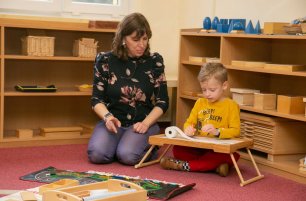
One of the active ways we do this is by creating a classroom community, a microcosm of society that utilizes multi-age groups, peer-guided learning and the understanding that everyone in the community needs to take part in its functioning by cooperating with others and participating to the best of their ability. Through working together towards common goals, we develop independent, critical thinkers who understand their role and value within the group. Check out our video:

Want to learn more? Read our next article:
FUTURE OF EDUCATION

Další články

IMSP Podcast: Meet alumna Tara Svobodova

"I would really encourage you to enjoy the time you have at IMSP because it is something I look back fondly to."

Read more

Montessori Sensorial Materials Lead to Sensory Awareness

The materials in the Sensorial area of the Montessori classroom are quite unique – they speak to the tactile observer in all of us. When you consider the way humans take in information, you realize how often we use more than one sense to explore. Maria Montessori’s work in the Sensorial environment was designed to take advantage of this tendency. Today, I will discuss the materials featured in the Children’s House classroom (ages 3-6). 

Read more

Magic mat

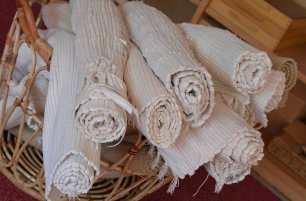
There are a few things typical to Montessori classrooms worldwide that might give the casual observer a pause. Picture it: you walk into a beautiful Casa environment, full of children working, many of them on mats rolled out on the floor. The students moving through the room know to step between mats, never on them. Of course, in the beginning of the school year it took many presentations, repetitions and reminders to instill this routine in the students. 

Read more

Ahh-Choo! It’s that time of year - Teaching Self Care to Toddlers

In our classrooms, we take every opportunity to teach our students how they can independently take care of themselves throughout the day.

Read more

Understanding your child's inner sense of order

Have you ever noticed that your child enjoys singing the same song over and over again, or wants you to repeat the same story for what feels like a million times? Dr. Montessori highlighted the importance of sensitive periods in children, which are known as windows of opportunities for children to develop skills, including movement, language and most definitely, order. A child’s need for external order is present as early as childbirth and peaks in their second year, before fading at about the age of 5. This period of development helps a child to develop a connection between themselves and the world, process information and overcome challenges.

Read more
29.05.2018
Interactive Open House Register for
Baby & Me
Register for
Toddler & Me
Enroll your child
at IMSP
Virtual tour