Mones
Sorry, this article is only in Czech.
Sorry, this article is only in Czech.


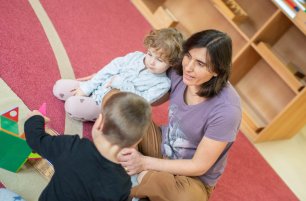
Veronika wanted to be a teacher from her childhood. Despite this she was graduated from Legal Studies at the Charles University. After having her first child, she fell in love with Montessori and her dream job came true. She devoted her career path to being a Primary Montessori teacher.
Read more
Introducing one of our Primary teachers, Ms. Lisa from Western Australia, who has been with IMSP since 2017. Since coming to Prague she has furthered her love of work in early childhood education and completed an AMS (American Montessori Society) Early Childhood (ages 3-6) Teacher Certification. Read more about Lisa in an interview with IMSP here:
Read more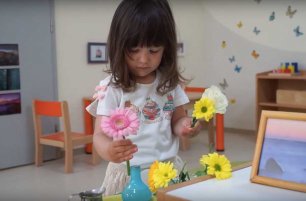
Check out our video made by the International Montessori School of Prague community! We are happy to share our vision for Montessori education with all. It features our inspiring students, teachers, school leadership, alumni and parents. Let us know what you think!
Read more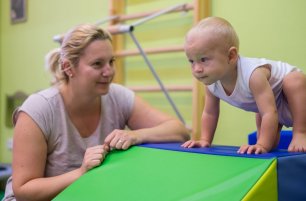
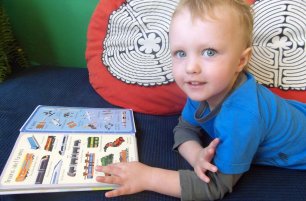
A picture is the first content of a book that a child can „read“. Thanks to pictures, a child can understand a story without knowing how to read, interpreting the main figures/animals, the environment, and the situations from the visuals. From illustrated facial expressions and body language the child can also tell emotions. Enjoying a good book raises a love and passion that is necessary for prereading skills.
Read more