Mones
Sorry, this article is only in Czech.
Sorry, this article is only in Czech.


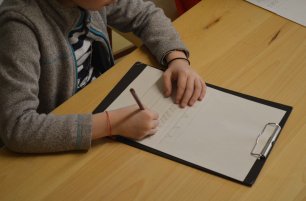
It can be an exciting time when your child begins to read and write their first words. They are at the dawn of an exhilarating literacy journey that will open their eyes to a world of books, knowledge, and wonder!
Read more
“Social and emotional learning(SEL) is the process through which children and adults understand and manage emotions, set and achieve positive goals, feel and show empathy for others, establish and maintain positive relationships, and make responsible decisions.”
Read more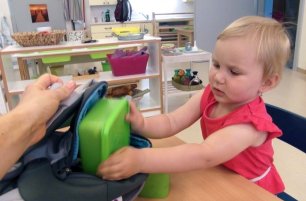
Summer is the perfect time for trips and outings. A backpack of their very own is a great gift for an older toddler or a pre-schooler: It builds their independence and confidence as they actively participate in preparing for each trip, and then carry their necessities by themselves.
Read more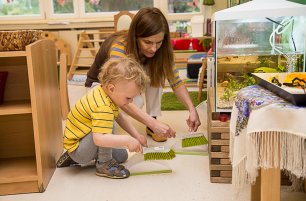
Looking at our Toddler classrooms, even a casual observer will notice that half of the children’s time seems to be spent cleaning. They’re busy sweeping, wiping, mopping, scrubbing and brushing; even almost antiquated activities, such as washing laundry by hand or polishing wood and metal objects, have their place.
Read more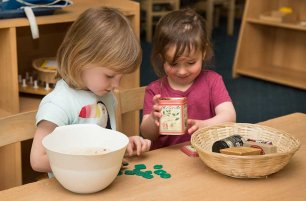
Have you ever noticed the mixed-age classrooms in a Montessori school and wondered why? This is a specific design that allows younger children to benefit from having older peers as role models and mentors and enables older children to step into leadership roles. This model mirrors real-world experiences where people of different ages work together and learn from each other.
Read more