Mones
Sorry, this article is only in Czech.
Sorry, this article is only in Czech.


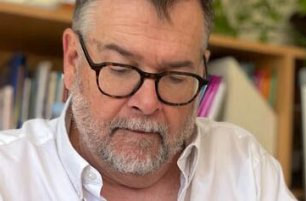
What is a motto that you live by? When I was young, my dad often reminded me: “Always do your best.” In the same way, what I often try to keep in mind is "Do what you can, where you are, with what you have."
Read more
Veronika wanted to be a teacher from her childhood. Despite this she was graduated from Legal Studies at the Charles University. After having her first child, she fell in love with Montessori and her dream job came true. She devoted her career path to being a Primary Montessori teacher.
Read more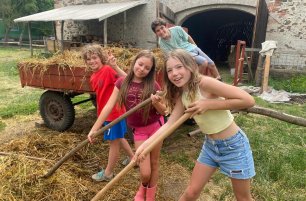
An Essential Element of the Elementary Montessori Student Experience
Read more
We all know the scene: a frustrated parent, a child that refuses to listen and do as they’re told, the fight that no‑one wins.
Read more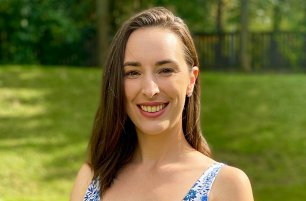
Introducing one of our Primary teachers, Ms. Lisa from Western Australia, who has been with IMSP since 2017. Since coming to Prague she has furthered her love of work in early childhood education and completed an AMS (American Montessori Society) Early Childhood (ages 3-6) Teacher Certification. Read more about Lisa in an interview with IMSP here:
Read more