Mones
Sorry, this article is only in Czech.
Sorry, this article is only in Czech.


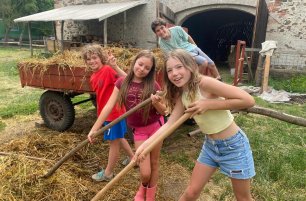
An Essential Element of the Elementary Montessori Student Experience
Read more
Join us as our host, Mariana Bečková, interviews Hubert Kobr on this week’s edition of the IMSP alumni podcast. Born in the Czech Republic, Hubert attended IMSP until beginning an IB program in a traditional Czech school. Discussing his education after Montessori, he shares how IMSP’s English-language curriculum prepared him to take on such a rigorous academic plan.
Read more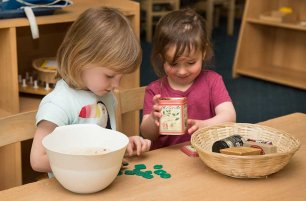
Have you ever noticed the mixed-age classrooms in a Montessori school and wondered why? This is a specific design that allows younger children to benefit from having older peers as role models and mentors and enables older children to step into leadership roles. This model mirrors real-world experiences where people of different ages work together and learn from each other.
Read more
Find out more about our Head of School, Ms. Pherooz Karani. Her greatest joy is to pass on the legacy of Montessori education to new generations of children.
Read more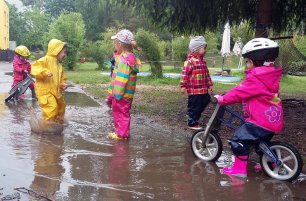
April showers bring May flowers... here we are in the blustery, chilly beginnings of Spring. It is a time of much anticipation as the first leaves and flowers appear, but also often much frustration for parents as seemingly endless mud, rain and puddles interfere with outside play.
Read more