Mones
Sorry, this article is only in Czech.
Sorry, this article is only in Czech.



Join us as our host, Mariana Bečková, interviews Anna Šlégrová on this week’s edition of the IMSP alumni podcast. Reflecting on what made her Montessori experience stand out, Anna stresses IMSP’s personal touch. Teachers, Mariana and Anna share, take time to get to know their students, encouraging them to pursue their passions. Now studying at the University of Bath, Anna shares how growing up in IMSP’s international environment empowered her to pursue higher education abroad.
Read more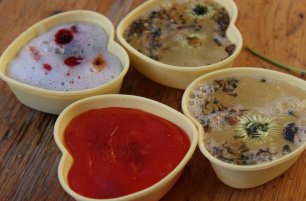
All you will need is 100g of soap, rubber molds, turmeric powder, lemon or orange essential oils, fresh lemon or orange, and a grater or zester.
Read more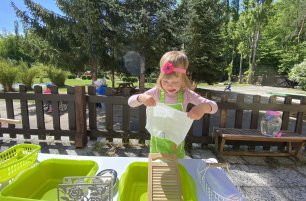
Toddlers need hands-on experience with life skills in real purposeful ways.
Read more
Please welcome this week’s guest to the IMSP podcast – Krishna Ramani!
Read more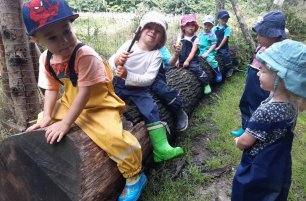
At IMSP we are fortunate enough to have access to a forest right on our doorstep. This offers invaluable opportunities for our toddlers to explore the natural world with the support of their guides. Interaction with the natural environment provides mental and physical health benefits for children and adults alike and allows children to be inspired by the world around them, away from their usual home or classroom environments.
Read more