Mones
Sorry, this article is only in Czech.
Sorry, this article is only in Czech.


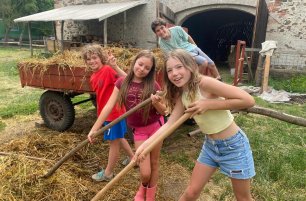
An Essential Element of the Elementary Montessori Student Experience
Read more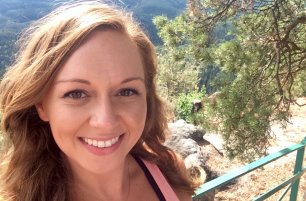
Lindsey is originally from Texas, where she completed her Bachelor’s Degree in Women’s Studies at Southwestern University. She discovered her passion for working with children while teaching English as a Second Language in Costa Rica. After that she started working as an assistant in a Montessori school in the US. Her dream was to move to Europe to continue teaching and after 3 years of hard work her dream came true. Since that time, Lindsey has completed her Montessori training and is now leading up the Toddler classrooms at IMSP as Senior Teacher.
Read more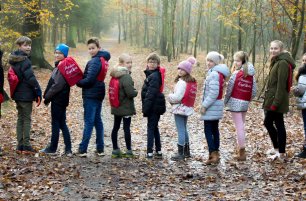
Maria Montessori used to walk through the forests in India pulling leaves from trees to teach about their function and structure, digging in the soil to demonstrate the ubiquitousness of life, examining root systems and connecting them to academic ideas.
Read more
Veronika wanted to be a teacher from her childhood. Despite this she was graduated from Legal Studies at the Charles University. After having her first child, she fell in love with Montessori and her dream job came true. She devoted her career path to being a Primary Montessori teacher.
Read more