Mones
Sorry, this article is only in Czech.
Sorry, this article is only in Czech.


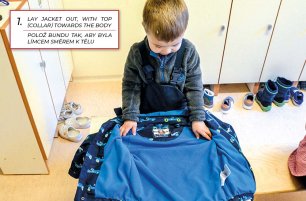
Toddlers are at a very sensitive age for physical independence. It is natural to want to take care of them, yet sometimes giving the freedom and space to do things by themselves is a gift that not only makes them happy, but also support their overall development, confidence and sense of self.
Read more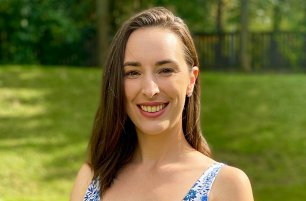
Introducing one of our Primary teachers, Ms. Lisa from Western Australia, who has been with IMSP since 2017. Since coming to Prague she has furthered her love of work in early childhood education and completed an AMS (American Montessori Society) Early Childhood (ages 3-6) Teacher Certification. Read more about Lisa in an interview with IMSP here:
Read more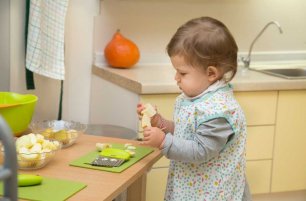
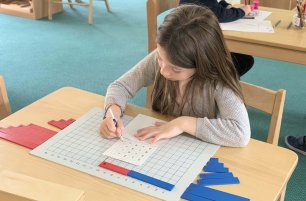
Maria Montessori often stated that not only does every human being have an innate drive to understand the environment around them, we all also naturally have what she called a “Mathematical Mind”. In the Montessori classroom, mathematical learning begins through indirect preparation long before a child is ever introduced to any Math materials.
Read more
“The greatness of the human personality begins at the hour of birth.” Maria Montessori
Read more